Embark on a journey to transform your home with the comprehensive guide to exterior siding repair. Discover the crucial role siding plays in safeguarding your abode and how damaged siding can impact energy efficiency. Uncover the telltale signs signaling the need for prompt siding repair.
Delve into the myriad of exterior siding materials, exploring their durability and maintenance requirements. Whether you're contemplating DIY repairs or hiring a professional, weigh the benefits of each approach. From cost considerations to the environmental impact of siding repair, this guide covers it all.
Importance of Exterior Siding Repair
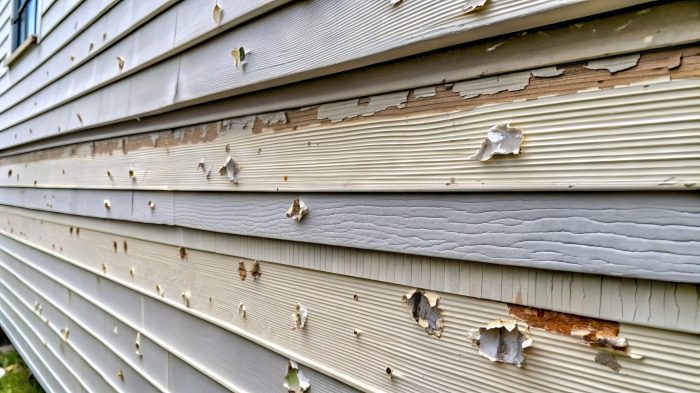
Exterior siding plays a crucial role in protecting a home from the elements, such as rain, wind, and snow. It serves as a barrier that helps maintain the structural integrity of the building and prevents moisture from seeping into the walls.
Damaged siding can have a significant impact on the energy efficiency of a home. Holes, cracks, or gaps in the siding can allow air to leak in and out, causing the heating and cooling systems to work harder to maintain a comfortable temperature.
This not only leads to higher energy bills but also puts unnecessary strain on the HVAC system.
Signs that Indicate the Need for Siding Repair
- Cracks or holes in the siding
- Peeling or blistering paint
- Warped or buckling siding panels
- Mold or mildew growth
- Insect infestations
Types of Exterior Siding Materials
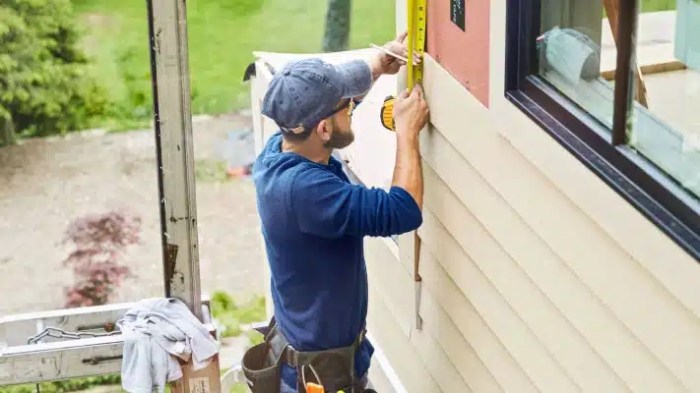
When it comes to exterior siding materials, there are several options available, each with its own set of characteristics and maintenance requirements.
Vinyl Siding
- Vinyl siding is a popular choice due to its affordability and low maintenance.
- It is durable and resistant to moisture, fading, and rot.
- Regular cleaning with a mild detergent and water is usually sufficient to maintain its appearance.
Fiber Cement Siding
- Fiber cement siding is known for its durability and resistance to insects and fire.
- It requires painting every few years to maintain its appearance and protect it from the elements.
- Regular inspections for cracks or damage are recommended to address any issues promptly.
Wood Siding
- Wood siding offers a natural and classic look to a home.
- It requires regular staining or painting to protect it from moisture and UV damage.
- Periodic inspections for signs of rot or insect infestation are necessary to prevent further damage.
Brick Siding
- Brick siding is known for its longevity and low maintenance requirements.
- It provides excellent insulation and is resistant to fire and pests.
- Occasional cleaning with a pressure washer can help maintain its appearance.
DIY vs. Professional Repair
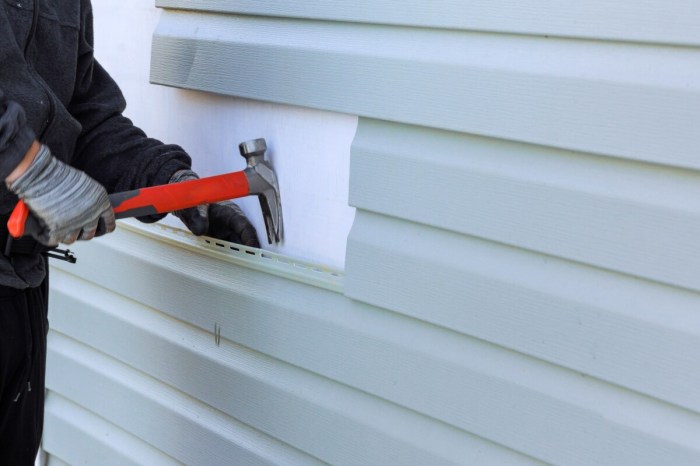
When it comes to repairing exterior siding, homeowners are often faced with the decision of whether to tackle the project themselves or hire a professional. Both options have their own set of advantages and considerations to keep in mind.
Benefits of Hiring a Professional
- Expertise: Professionals have the knowledge and experience to assess the extent of the damage and recommend the best course of action.
- Time-saving: Hiring a professional can save you time and effort, as they are equipped with the necessary tools and skills to complete the repair efficiently.
- Quality workmanship: Professionals ensure that the repair is done correctly, preventing future issues and prolonging the lifespan of your siding.
- Warranty: Many professional siding repair services offer warranties on their work, providing you with peace of mind and assurance of quality.
DIY Siding Repair Project
- Assessment: Start by assessing the damage to determine the extent of repair needed.
- Gather materials: Purchase the necessary tools and materials for the repair, such as replacement siding panels, nails, and caulking.
- Remove damaged siding: Carefully remove the damaged siding panels, taking care not to cause further damage to the surrounding areas.
- Install new siding: Cut the replacement siding panels to size and securely attach them to the exterior of your home.
- Seal and finish: Seal the seams with caulking to prevent moisture infiltration and ensure a seamless finish.
When to Tackle Siding Repair on Your Own
- Minor damage: If the damage is minor and you have some DIY experience, you may be able to handle the repair on your own.
- Budget constraints: If hiring a professional is not financially feasible, opting for a DIY repair can be a cost-effective solution.
- Time availability: If you have the time and patience to dedicate to a DIY project, tackling siding repair on your own can be a rewarding experience.
Cost Considerations for Exterior Siding Repair
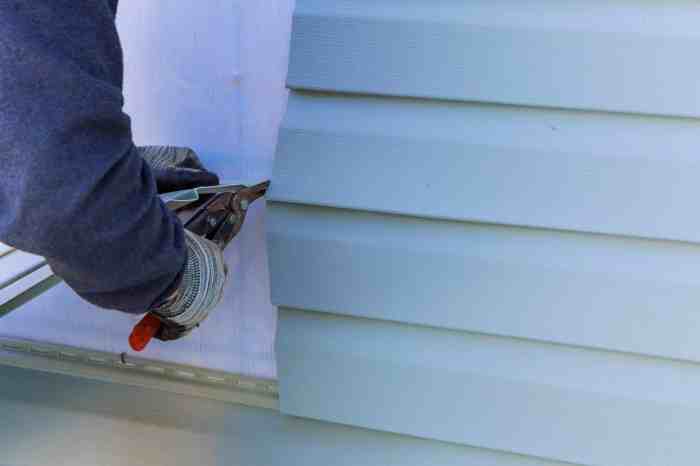
When it comes to repairing or replacing your exterior siding, cost is a significant factor to consider. Understanding the various factors that influence the cost of siding repair, comparing the costs of repair versus replacement, and learning how to budget and save on expenses can help you make an informed decision.
Factors Influencing the Cost of Siding Repair
- The extent of damage: The more extensive the damage, the higher the repair costs.
- Type of siding material: Different materials have varying costs for repair and replacement.
- Accessibility: Siding that is hard to reach or requires special equipment for repair can increase costs.
- Labor costs: Hiring professionals for repair work will add to the overall cost.
Comparing Costs of Repairing versus Replacing Siding
- Repair costs: Repairing siding is generally more cost-effective than full replacement if the damage is minimal.
- Replacement costs: If the siding is old, extensively damaged, or outdated, replacing it may be a better long-term investment.
- Long-term savings: New, energy-efficient siding can lead to lower energy bills over time.
Tips for Budgeting and Saving on Siding Repair Expenses
- Get multiple quotes: Compare prices from different contractors to find the best deal.
- Consider DIY options: If the repair is minor and you have the skills, tackling it yourself can save on labor costs.
- Maintain your siding: Regular maintenance can prevent costly repairs down the line.
- Explore financing options: Some companies offer financing plans to help spread out the cost of repairs.
Environmental Impact of Siding Repair
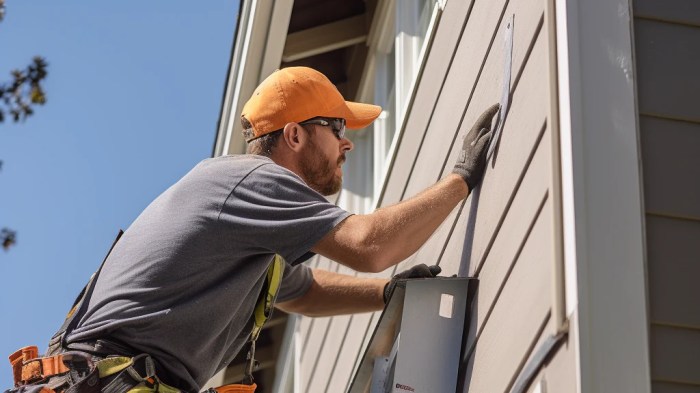
When it comes to siding repair, considering the environmental impact is crucial in making sustainable choices that benefit the planet. From choosing eco-friendly materials to proper disposal practices, every step can make a difference.
Choosing Sustainable Siding Materials
Opting for sustainable siding materials such as reclaimed wood, fiber cement, or recycled vinyl can significantly reduce the environmental impact of siding repair. These materials are not only durable but also help in conserving natural resources and reducing waste.
Disposal Process for Old Siding Materials
Proper disposal of old siding materials is essential to prevent environmental harm. Recycling old siding materials can help in reducing landfill waste and promoting a circular economy. Many recycling facilities accept old siding materials, ensuring they are repurposed rather than ending up in landfills.
Eco-Friendly Practices for Maintaining and Repairing Siding
- Use eco-friendly cleaning solutions to maintain siding without harming the environment.
- Regularly inspect and repair any damages to siding to prevent further deterioration and the need for extensive repairs.
- Consider adding insulation to improve energy efficiency and reduce carbon footprint.
- Plant trees or shrubs around your home to provide natural shade and reduce the need for excessive cooling during hot months.
Closing Summary
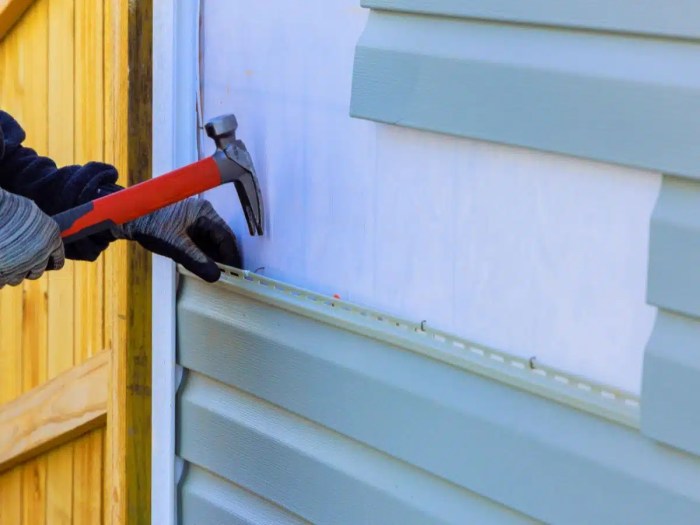
In conclusion, by understanding the importance of exterior siding repair, choosing the right materials, and considering cost-effective options, you can enhance your home's aesthetics and functionality. Embrace sustainable practices to minimize the environmental footprint of your repair project and ensure a long-lasting, visually appealing facade for years to come.
Question Bank
What are the benefits of hiring a professional for siding repair?
Professionals bring experience and expertise to ensure quality work and timely completion.
When should I tackle siding repair on my own?
Consider DIY projects for minor repairs or if you have the necessary skills and tools.
How can choosing sustainable siding materials reduce environmental impact?
Sustainable materials are eco-friendly and contribute to a greener home environment.