As eco friendly vinyl siding takes center stage, this opening passage beckons readers with casual formal language style into a world crafted with good knowledge, ensuring a reading experience that is both absorbing and distinctly original.
Vinyl siding has become a popular choice for homeowners looking to enhance their properties while being environmentally conscious. In this guide, we delve into the realm of eco-friendly vinyl siding, exploring its benefits, types, installation, maintenance, design options, and customization.
Let's embark on a journey towards sustainable living through the lens of vinyl siding.
Benefits of eco-friendly vinyl siding
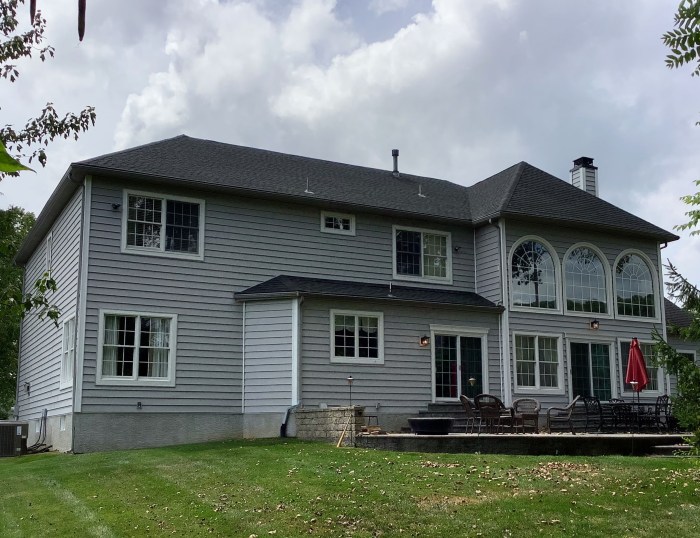
Eco-friendly vinyl siding offers a range of advantages that make it a great choice for homeowners looking to reduce their environmental impact and save on energy costs.
Environmental Advantages
- Manufactured using recycled materials, reducing the demand for new resources
- Does not require painting, saving on harmful chemicals and reducing waste
- Can be recycled at the end of its lifespan, minimizing landfill waste
Energy Efficiency Features
- Provides excellent insulation, reducing the need for heating and cooling
- Helps maintain a consistent indoor temperature, lowering energy consumption
- Reflects sunlight to prevent heat absorption, further reducing cooling costs
Cost-Effectiveness Compared to Traditional Siding
- Lower maintenance costs over time due to durability and resistance to rot and pests
- Installation costs are often lower than other siding options, saving upfront expenses
- Longevity of vinyl siding reduces the need for frequent replacements, saving money in the long run
Types of eco-friendly vinyl siding
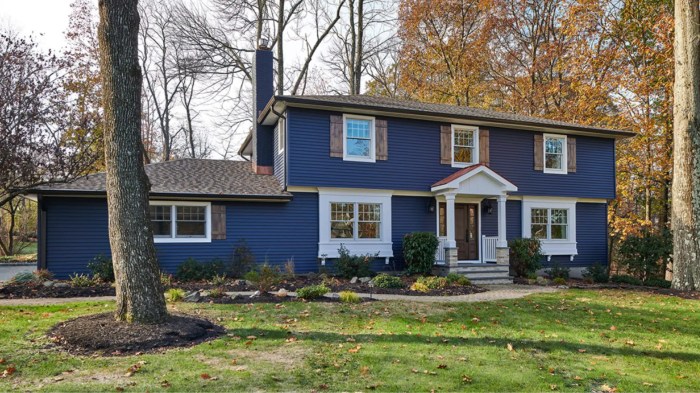
Vinyl siding is a popular choice for homeowners looking for a durable and low-maintenance option for their exterior. Eco-friendly vinyl siding takes this a step further by incorporating sustainable materials and manufacturing processes to reduce environmental impact. Let's explore the different types of eco-friendly vinyl siding available:
Recycled Vinyl
Recycled vinyl siding is made from post-consumer recycled materials, such as old vinyl siding or other PVC products. This helps reduce waste and minimizes the need for new raw materials, making it a more sustainable option.
Biodegradable Additives
Some eco-friendly vinyl siding products incorporate biodegradable additives that help the material break down more easily at the end of its lifespan. This can reduce the environmental impact of disposal and make the product more environmentally friendly.
Sustainable Manufacturing
Manufacturers of eco-friendly vinyl siding often prioritize sustainable practices in their production processes. This can include using renewable energy sources, reducing water usage, and minimizing emissions to lower the overall carbon footprint of the product.
Durability Comparison
Despite being eco-friendly, vinyl siding is known for its durability and low maintenance requirements. In fact, eco-friendly vinyl siding can often outlast conventional siding materials like wood or fiber cement, reducing the need for frequent replacements and further contributing to its eco-friendly status.
Installation and maintenance of eco-friendly vinyl siding

Installing eco-friendly vinyl siding is a straightforward process that can be done by following a few key steps. Proper maintenance is essential to prolong the lifespan of the siding and keep your home looking great. Additionally, eco-friendly vinyl siding contributes to a healthier home environment by reducing energy consumption and minimizing environmental impact
Step-by-step guide for installing eco-friendly vinyl siding
- Prepare the surface by cleaning and inspecting it for any damage.
- Measure and cut the siding panels to fit the dimensions of your home.
- Install the starter strip at the bottom of the wall and work your way up, overlapping the panels to ensure a secure fit.
- Secure the siding panels with nails or screws, making sure they are properly aligned.
- Finish the installation by adding trim pieces and corner caps for a polished look.
Tips for proper maintenance of eco-friendly vinyl siding
- Regularly clean the siding with a mild detergent and water to remove dirt and grime.
- Inspect the siding for any signs of damage, such as cracks or warping, and repair them promptly.
- Avoid using harsh chemicals or abrasive materials that can damage the siding's surface.
- Consider applying a protective coating to enhance the durability and longevity of the siding.
Contribution to a healthier home environment
Eco-friendly vinyl siding helps insulate your home, reducing the need for heating and cooling. This can lower energy consumption and decrease greenhouse gas emissions. Additionally, eco-friendly vinyl siding is recyclable and minimizes waste, making it a sustainable choice for environmentally conscious homeowners.
Design options and customization
When it comes to eco-friendly vinyl siding, there are various design options and customization features available to suit your preferences and architectural style.
Color Choices
There is a wide range of color choices available in eco-friendly vinyl siding, allowing homeowners to pick the perfect shade that complements their home's exterior. From classic neutrals to vibrant tones, the options are endless.
Textures and Finishes
Eco-friendly vinyl siding also offers different textures and finishes to create a personalized look for your home. Whether you prefer a smooth finish or a textured appearance, there are options to match your aesthetic preferences.
Incorporating into Modern Architectural Designs
For those looking to incorporate eco-friendly vinyl siding into modern architectural designs, there are plenty of innovative ways to do so. From sleek, minimalist styles to bold color contrasts, eco-friendly vinyl siding can enhance the overall look of a contemporary home.
Conclusive Thoughts
In conclusion, eco-friendly vinyl siding offers a plethora of benefits for homeowners seeking sustainable and energy-efficient solutions. By choosing this environmentally conscious option, you not only contribute to a healthier home environment but also reduce your carbon footprint. Embrace the beauty and functionality of eco-friendly vinyl siding to create a greener future for generations to come.
Expert Answers
What are the main environmental advantages of eco-friendly vinyl siding?
Eco-friendly vinyl siding is recyclable, reduces energy consumption, and minimizes waste during production.
How do I properly maintain eco-friendly vinyl siding?
To ensure longevity, clean the siding regularly with a mild detergent, inspect for damage, and promptly address any issues.
Are there different color choices available in eco-friendly vinyl siding?
Yes, eco-friendly vinyl siding comes in a variety of colors to suit different architectural styles and preferences.