Complete siding replacement sets the stage for this enthralling narrative, offering readers a glimpse into a story that is rich in detail with casual formal language style and brimming with originality from the outset.
As we delve deeper into the world of complete siding replacement, a tapestry of information unfolds, guiding you through the intricacies of this essential home improvement project.
Importance of Complete Siding Replacement
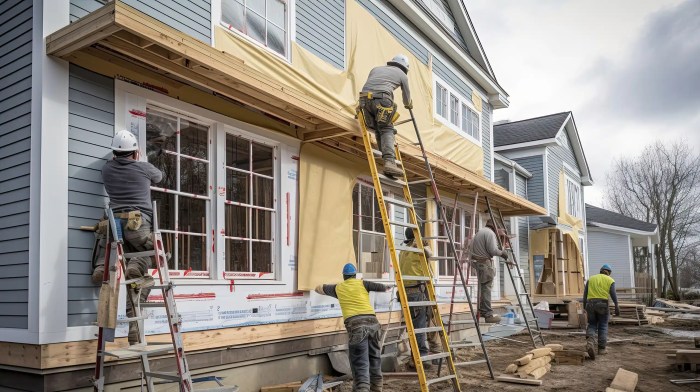
When it comes to enhancing the overall look and value of your home, opting for a complete siding replacement rather than a partial one can make a significant difference. Here's why:
Enhanced Curb Appeal and Property Value
Complete siding replacement gives your home a fresh, uniform appearance, boosting its curb appeal. This not only makes your house stand out in the neighborhood but also increases its market value. Potential buyers are often willing to pay more for a home that looks well-maintained and visually appealing.
Long-term Benefits
Unlike patchwork solutions that may only address specific issues temporarily, a full siding replacement offers long-term benefits. New siding can better protect your home from harsh weather conditions, moisture, and pests, reducing the need for frequent repairs and maintenance. This can save you time and money in the long run, providing peace of mind knowing your home is well-protected.
Types of Siding Materials
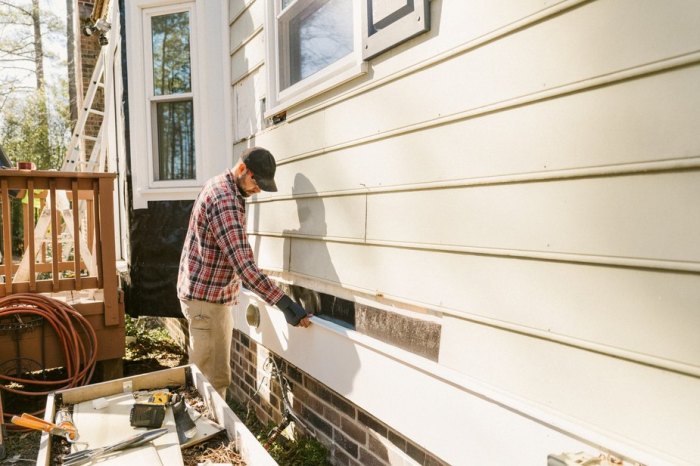
When considering a complete siding replacement, it is essential to explore the different types of siding materials available. Each material comes with its own set of characteristics, which can impact durability, maintenance requirements, aesthetic appeal, and cost-effectiveness.
Vinyl Siding
Vinyl siding is a popular choice for homeowners due to its affordability and low maintenance requirements. It is durable, resistant to rot and insects, and comes in a variety of colors and styles. However, extreme temperatures can cause vinyl to warp or crack, and it may not be as aesthetically pleasing as other materials.
Wood Siding
Wood siding offers a classic, natural look that many homeowners find appealing. It can be painted or stained to match the desired aesthetic, but it requires regular maintenance to prevent rot, mold, and insect damage. While wood is a renewable resource, it is more susceptible to moisture and may be more expensive than other materials.
Fiber Cement Siding
Fiber cement siding is known for its durability and resistance to fire, insects, and rot. It can mimic the look of wood or stucco while requiring less maintenance. However, it is heavier than other materials, making installation more labor-intensive and potentially costly.
Fiber cement siding is also more expensive upfront compared to vinyl.
Metal Siding
Metal siding is durable, weather-resistant, and low maintenance. It can be made from aluminum, steel, or copper, each offering unique benefits such as longevity and energy efficiency. While metal siding is resistant to rot, insects, and fire, it may dent or scratch easily, requiring occasional repairs.
Metal siding tends to be more expensive than vinyl but can provide a modern and sleek aesthetic.
Steps Involved in Complete Siding Replacement
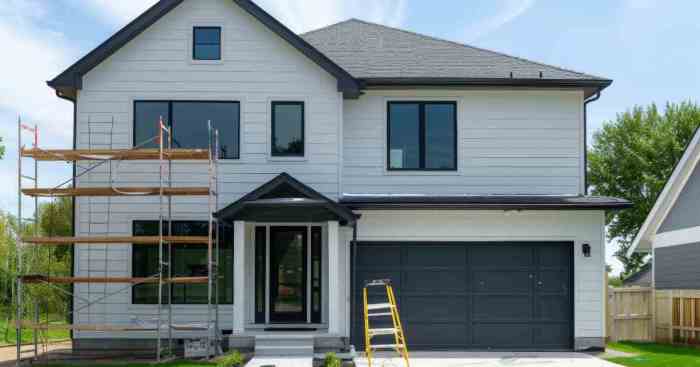
When it comes to replacing siding on a residential or commercial property, there are several important steps that need to be followed to ensure a successful and long-lasting result.
Preparation Work
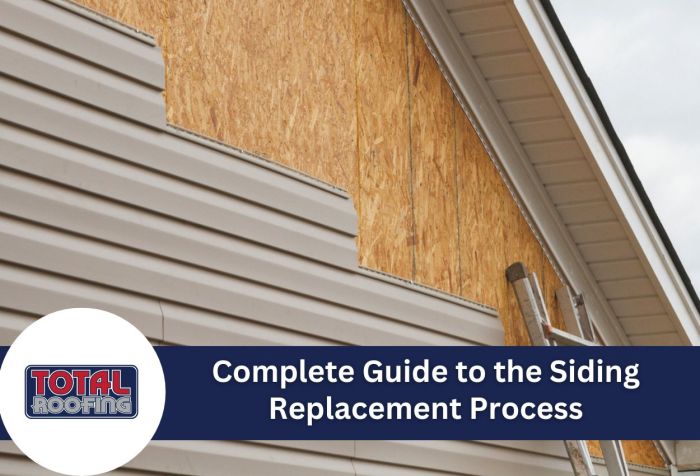
Before starting the siding replacement project, it is crucial to prepare the area properly. This includes removing the existing siding, inspecting the underlying structure for any damage, and making any necessary repairs. Additionally, ensuring that the area is clean and free of debris will help the new siding adhere properly.
Proper Insulation and Moisture Barrier Installation
One of the most important steps in the siding replacement process is the installation of proper insulation and a moisture barrier. Insulation helps to improve energy efficiency by regulating the temperature inside the property, while a moisture barrier protects against water damage and mold growth.
Proper installation of these components can significantly increase the lifespan of the siding and the overall durability of the property.
Hiring a Professional Contractor
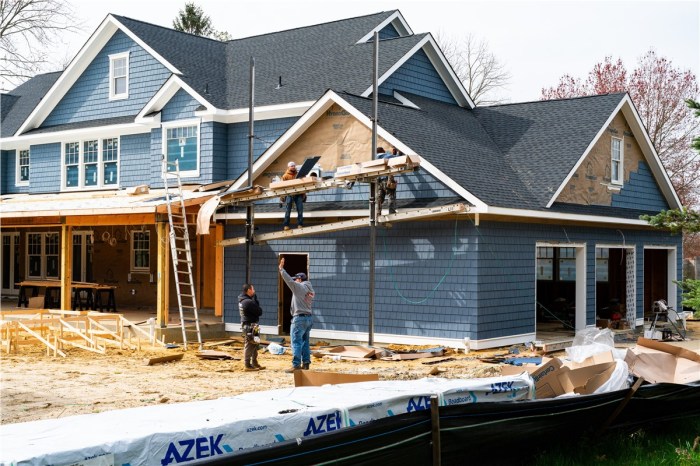
When it comes to complete siding replacement, hiring a professional contractor is crucial for a successful and hassle-free project. A reputable and experienced contractor can ensure quality workmanship, timely completion, and adherence to safety standards.
Choosing a Reputable Contractor
- Check Licenses and Insurance: Before hiring a contractor, verify that they are licensed to work in your area and have valid insurance coverage. This protects you from liability in case of accidents or damages during the project.
- Ask for References: Request references from past clients and take the time to contact them for feedback on their experience with the contractor. This can give you insight into the contractor's work quality and professionalism.
- Review Written Contracts: Ensure that all project details, including materials, costs, timelines, and warranties, are clearly Artikeld in a written contract. This document serves as a binding agreement and protects both parties in case of disputes.
- Discuss Timelines: Set clear expectations with the contractor regarding project timelines and deadlines. A reliable contractor should provide a realistic schedule for the completion of the siding replacement project.
- Ask About Warranties: Inquire about the warranties offered by the contractor for both labor and materials. A reputable contractor should stand behind their work and provide guarantees for the services rendered.
Final Wrap-Up
In conclusion, complete siding replacement emerges as not just a renovation task but a transformative journey that elevates your property's aesthetics, value, and functionality. Dive into this endeavor with confidence, knowing that a world of possibilities awaits at your doorstep.
FAQ Resource
What are the benefits of complete siding replacement?
Complete siding replacement offers enhanced curb appeal, increased property value, and long-term durability compared to partial replacements.
Which siding material is the most cost-effective?
Vinyl siding is often considered the most cost-effective option due to its affordability and low maintenance requirements.
How do I choose the right contractor for complete siding replacement?
Ensure the contractor is reputable, experienced, and properly licensed. Check references and contracts carefully before making a decision.