As energy efficient vinyl siding becomes increasingly popular, this introductory paragraph aims to draw readers in with a blend of informative and captivating language. Get ready to dive into the world of energy-efficient solutions for homes.
In the following paragraphs, we will delve into the key aspects of energy efficient vinyl siding, shedding light on its benefits, features, installation process, and cost considerations.
Introduction to Energy Efficient Vinyl Siding
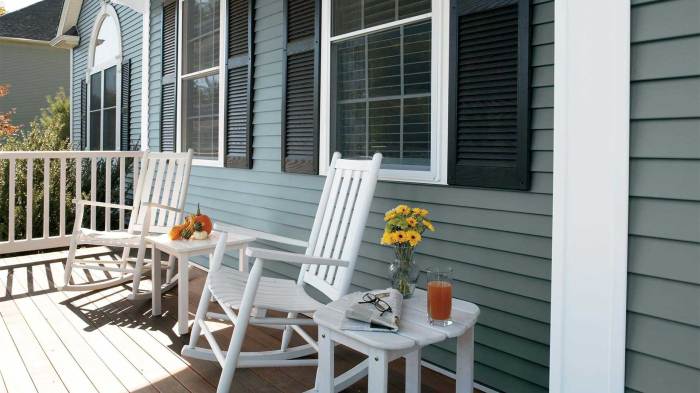
Energy-efficient vinyl siding is a type of exterior cladding that is designed to help homes retain heat in the winter and stay cool in the summer, thus reducing energy consumption.
There are several benefits to using energy-efficient vinyl siding. Not only does it help lower energy bills by improving the insulation of a home, but it also reduces the strain on heating and cooling systems, extending their lifespan. Additionally, energy-efficient vinyl siding can enhance the overall comfort of a home by maintaining a consistent temperature throughout the year.
Examples of How Energy Efficient Vinyl Siding Improves Energy Efficiency
- Improved Insulation: Energy-efficient vinyl siding acts as a barrier against heat loss during the winter months, reducing the need for constant heating.
- Reflective Properties: Certain types of energy-efficient vinyl siding have reflective properties that help bounce sunlight away from the home, keeping it cooler in the summer.
- Sealing Out Air Leaks: By properly installing energy-efficient vinyl siding, it can help seal out air leaks and drafts, preventing heat loss in the winter and heat gain in the summer.
Features of Energy Efficient Vinyl Siding
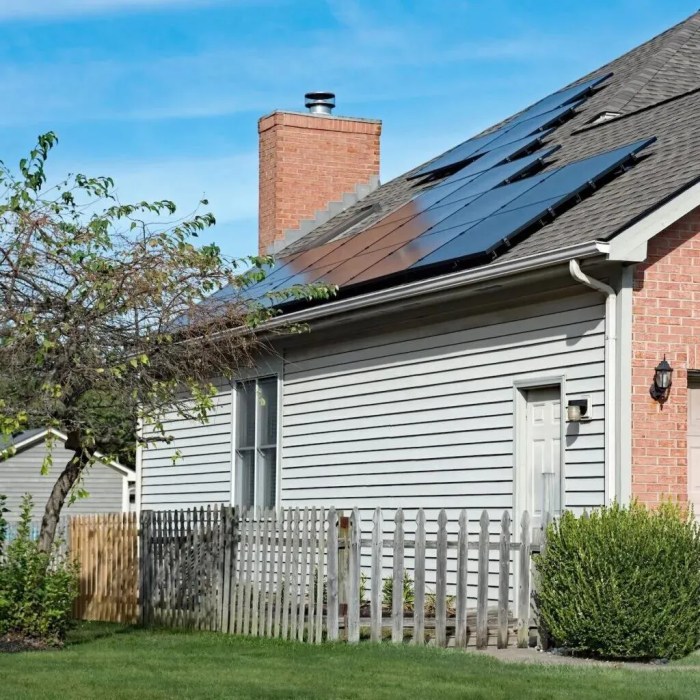
Energy-efficient vinyl siding comes with a range of features that contribute to improving the energy efficiency of homes while also enhancing their overall durability and aesthetics.
Insulation Properties
- Many energy-efficient vinyl siding options come with built-in insulation, such as foam backing or insulated panels.
- This added insulation helps regulate indoor temperatures, reducing the need for excessive heating or cooling.
- Improved insulation also helps in soundproofing homes, creating a more comfortable living environment.
Reflective Coatings
- Some energy-efficient vinyl sidings feature reflective coatings that bounce off solar heat, reducing heat absorption in the home.
- This can lead to lower cooling costs in hot climates and lessen the strain on air conditioning systems.
Durability and Low Maintenance
- Vinyl siding is known for its durability and resistance to harsh weather conditions, reducing the need for frequent repairs or replacements.
- Energy-efficient vinyl siding often comes with protective coatings that prevent fading, chipping, or warping over time.
Ventilation Systems
- Some modern energy-efficient vinyl sidings incorporate ventilation systems that allow air circulation behind the panels, preventing moisture buildup and mold growth.
- This feature contributes to maintaining a healthy indoor environment and prolonging the lifespan of the siding.
Installation and Maintenance of Energy Efficient Vinyl Siding
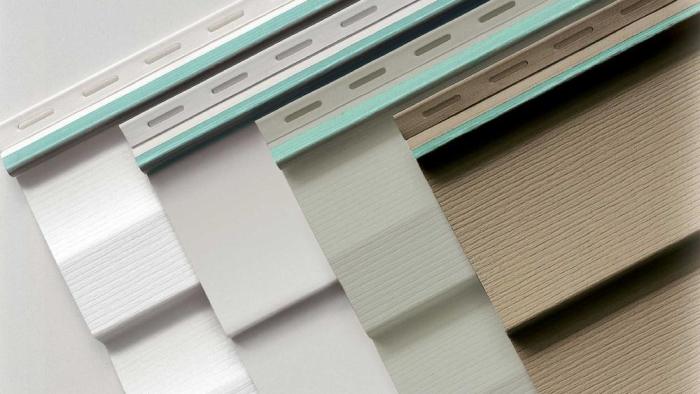
Proper installation and regular maintenance are crucial for maximizing the energy efficiency and longevity of energy-efficient vinyl siding
Installation Process
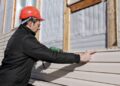
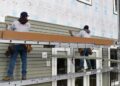
When installing energy-efficient vinyl siding, it is important to ensure that the panels are properly aligned and securely fastened to prevent air leakage. Proper insulation and sealing around windows, doors, and corners are also essential to minimize energy loss.
Maintenance Tips
- Regularly clean the siding with a mild detergent and water to prevent dirt and debris buildup, which can affect its reflective properties.
- Inspect the siding for any cracks, holes, or damage, and repair them promptly to maintain its energy efficiency.
- Trim any nearby trees or shrubs to prevent damage to the siding and ensure proper ventilation.
- Check the caulking and seals around windows and doors regularly to prevent air leaks and maintain insulation.
- Consider applying a fresh coat of paint or protective finish every few years to enhance the siding's durability and energy-saving properties.
Cost Considerations and Return on Investment
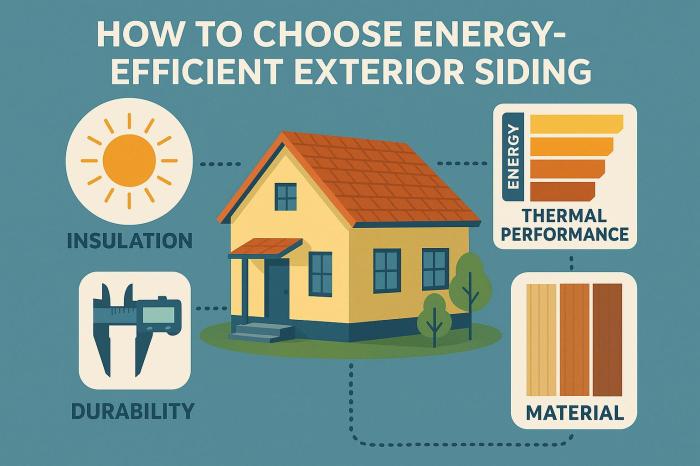
When considering energy-efficient vinyl siding, it's important to break down the costs associated with the initial investment and the long-term savings it can provide. By understanding the return on investment, homeowners can make informed decisions about whether this upgrade is worth it for their property.
Initial Investment vs. Long-Term Energy Savings
- Initial Cost: The cost of purchasing and installing energy-efficient vinyl siding can vary depending on the size of the home, the quality of the materials, and the contractor hired. On average, homeowners can expect to pay between $5,000 to $15,000 for this upgrade.
- Long-Term Savings: Energy-efficient vinyl siding can help reduce energy costs by improving insulation and reducing heat loss. This can lead to savings on heating and cooling bills over the years, potentially amounting to hundreds or even thousands of dollars annually.
Return on Investment for Energy-Efficient Vinyl Siding
- Calculating ROI: To determine the return on investment for energy-efficient vinyl siding, homeowners can consider the upfront costs, ongoing energy savings, and any potential increase in property value due to the upgrade.
- ROI Example: For instance, if the initial investment is $10,000 and the annual energy savings amount to $500, the ROI would be 5% per year. Over time, this percentage can increase as energy costs rise, making the investment even more valuable.
Ending Remarks
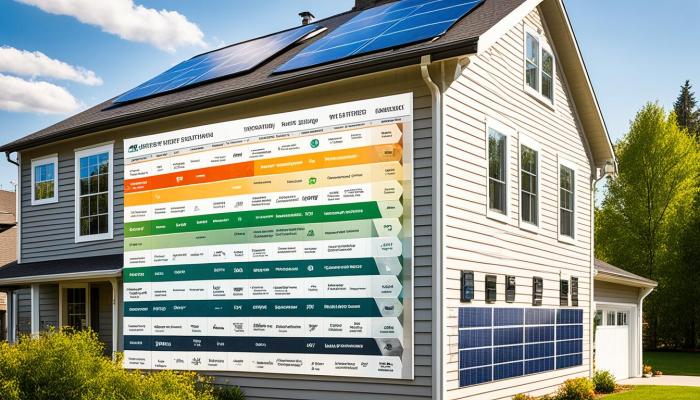
In conclusion, energy efficient vinyl siding emerges as a game-changer in the realm of home improvement, offering a perfect blend of functionality and sustainability. Consider making the switch to enhance your home's energy efficiency and curb appeal.
Quick FAQs
What makes vinyl siding energy efficient?
Vinyl siding is energy efficient due to its insulating properties and ability to reduce heat loss in homes.
Is energy efficient vinyl siding expensive?
While the initial investment may be higher, the long-term energy savings make it a cost-effective choice.
How can I maximize the energy efficiency of vinyl siding through proper installation?
Proper installation includes ensuring a tight seal, using insulation, and addressing any gaps or leaks.