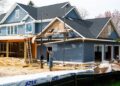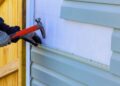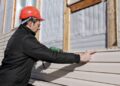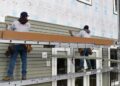
With vinyl siding repair in focus, this paragraph sets the stage for an insightful exploration of the importance of upkeep and timely fixes for your property. From preventing damage to enhancing aesthetics, this topic delves into the key aspects of maintaining vinyl siding.
As we delve deeper, we will uncover common issues, DIY repair techniques, and the benefits of hiring professionals for vinyl siding repair. Stay tuned for valuable insights!
Importance of Vinyl Siding Repair
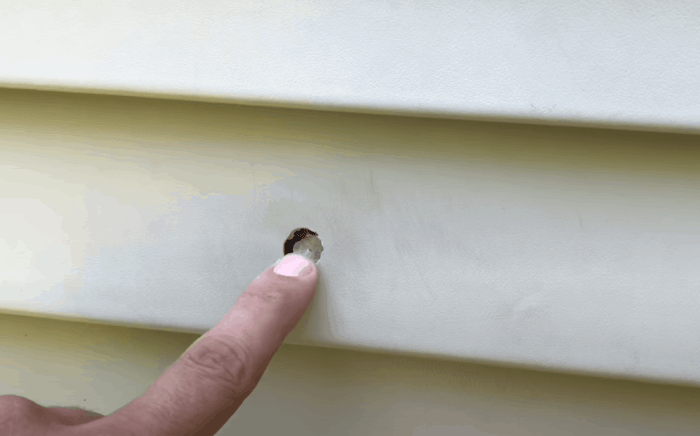
Maintaining vinyl siding is crucial for the overall health and appearance of your property. Timely repairs can help prevent further damage, saving you time and money in the long run. Neglecting repairs can not only impact the aesthetics of your home but also affect its functionality and structural integrity.
Preventing Water Damage
Water can seep through cracks or gaps in damaged vinyl siding, leading to mold growth, rotting wood, and even structural issues. Repairing these issues promptly can prevent costly water damage repairs in the future.
Enhancing Curb Appeal
Vinyl siding is a prominent feature of your home's exterior, contributing significantly to its curb appeal. Keeping it in good condition through repairs can improve the overall look of your property and increase its value.
Preserving Energy Efficiency
Damaged siding can compromise the insulation of your home, resulting in energy loss and higher utility bills. By repairing any issues promptly, you can maintain the energy efficiency of your property and reduce your carbon footprint.
Common Vinyl Siding Issues
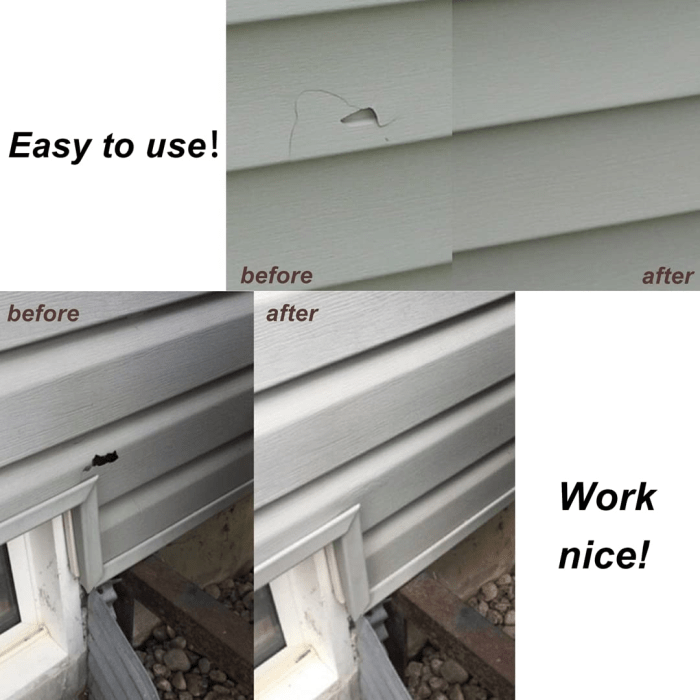
Vinyl siding, while durable, can face a variety of issues that may require repair. Understanding these common problems and their causes is crucial in maintaining the integrity of your home's exterior.
Cracking and Splitting
One of the most common issues with vinyl siding is cracking and splitting. This can occur due to age, impact from debris, or improper installation.
Fading and Discoloration
Over time, exposure to sunlight and harsh weather conditions can cause vinyl siding to fade and become discolored. This not only affects the aesthetic appeal of your home but can also indicate damage to the material.
Warped or Buckling Panels
Warped or buckling vinyl siding panels are often a result of moisture infiltration. Improper installation, lack of proper insulation, or extreme temperature changes can lead to this issue.
Mold and Mildew Growth
Areas of vinyl siding that are constantly damp or shaded are prone to mold and mildew growth. This can occur due to poor drainage, high humidity levels, or lack of ventilation.
Loose or Missing Panels
High winds, improper installation, or age can cause vinyl siding panels to become loose or go missing. This not only affects the appearance of your home but also leaves it vulnerable to further damage.
DIY Repair Techniques
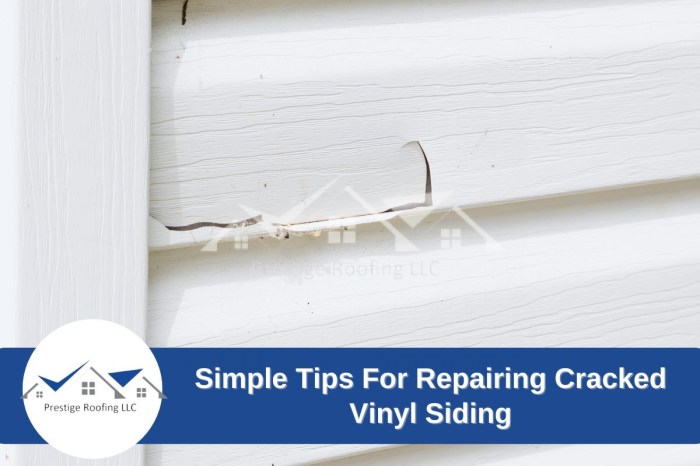
When it comes to DIY vinyl siding repair, it's essential to follow the right steps to ensure a seamless fix. Whether you're dealing with a small crack or a missing piece, taking the time to repair your vinyl siding properly can help maintain the appearance and integrity of your home.
Step-by-Step Repair Process
- Start by cleaning the damaged area with a mild detergent and water to remove any dirt or debris.
- Use a utility knife to carefully remove the damaged section of vinyl siding, making sure to cut straight lines for a clean edge.
- Measure the size of the damaged area and cut a replacement piece of siding to fit using tin snips.
- Slide the new piece of siding into place, making sure it aligns with the surrounding pieces for a seamless look.
- Nail the new piece of siding into place, being careful not to hammer too tightly to allow for expansion and contraction.
- Finally, caulk around the edges of the repair to prevent water infiltration and ensure a secure fit.
Color and Texture Matching Tips
- Take a sample of your existing vinyl siding to the store to find the closest match in color and texture.
- If you can't find an exact match, consider purchasing a slightly different shade and blending it in with the existing siding for a more natural look.
- Remember that vinyl siding can fade over time, so it's essential to account for any color variations when making repairs.
Tools and Materials Needed
- Utility knife
- Tin snips
- Caulk
- Nails
- Mild detergent
- Caulk gun
Hiring Professionals for Vinyl Siding Repair
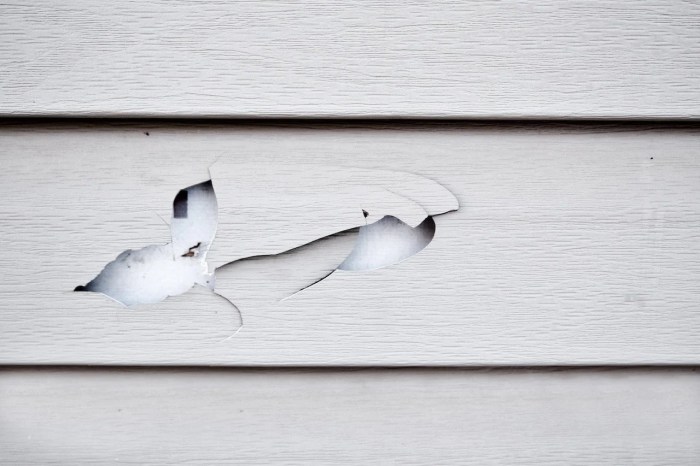
When it comes to vinyl siding repair, hiring professionals can offer several benefits compared to attempting DIY repairs. Professionals have the experience, tools, and skills necessary to ensure a high-quality and long-lasting repair job. Additionally, they can often complete the repairs in a more efficient manner, saving you time and hassle in the process.
Benefits of Hiring Professionals
- Professional Expertise: Siding repair contractors have the knowledge and experience to assess the damage accurately and recommend the best course of action.
- Quality Workmanship: Professionals can ensure that the repair is done correctly the first time, reducing the risk of future issues.
- Time-Saving: Hiring professionals can save you valuable time and effort, as they can complete the repair quickly and efficiently.
Selecting a Reputable Siding Repair Contractor
When choosing a siding repair contractor, it is essential to do your research and select a reputable professional for the job.
- Ask for Recommendations: Seek recommendations from friends, family, or neighbors who have had similar repair work done.
- Check Reviews: Look for online reviews and ratings to gauge the reputation and quality of work of potential contractors.
- Get Multiple Quotes: Obtain quotes from several contractors to compare pricing and services offered.
Importance of Checking Licenses and Insurance
Before hiring a siding repair professional, it is crucial to ensure they are licensed and insured for your protection.
Checking licenses and insurance can provide you with peace of mind knowing that the contractor is qualified and covered in case of any accidents or damages during the repair process.
Closure
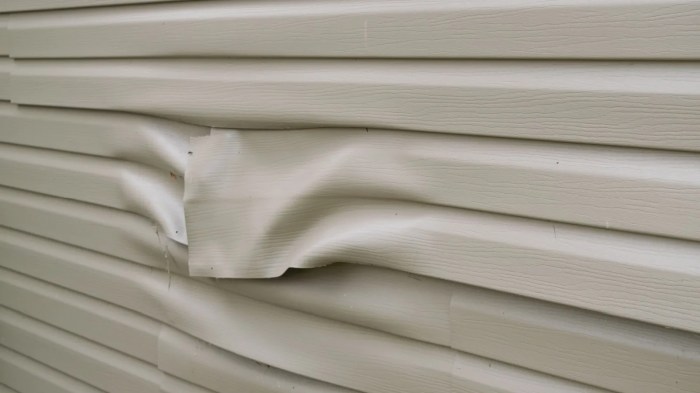
In conclusion, vinyl siding repair is not just about aesthetics but also about preserving the structural integrity of your home. By addressing issues promptly and with the right approach, you can ensure your property remains beautiful and functional for years to come.
Questions Often Asked
What are the benefits of maintaining vinyl siding?
Regular maintenance can prevent costly repairs and preserve the appearance of your home.
How can weather conditions impact vinyl siding?
Extreme weather can cause warping, cracking, or fading of vinyl siding.
What tools are needed for DIY vinyl siding repair?
Basic tools like a hammer, utility knife, and caulking gun are essential for small repairs.
How to choose a reputable siding repair contractor?
Check for licenses, insurance, and read reviews to ensure you hire a trustworthy professional.