Embark on a journey to uncover the intricacies of vinyl siding replacement cost. From factors influencing pricing to cost-saving tips, this guide delves deep into the world of home renovations.
Factors Affecting Vinyl Siding Replacement Cost
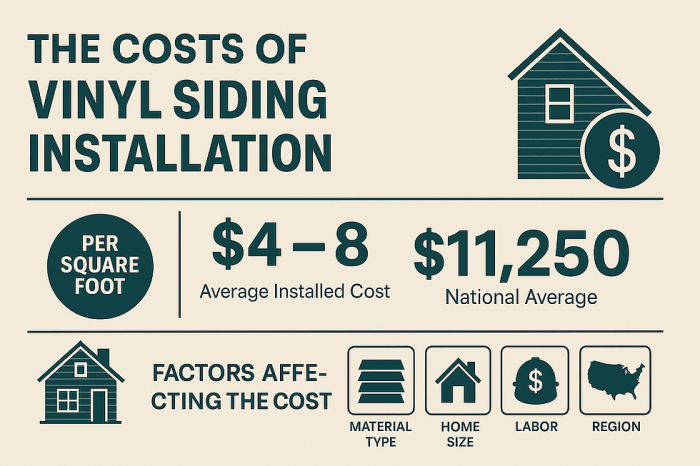
When considering the cost of vinyl siding replacement, several factors come into play that can influence the overall price of the project.The size of the house:The size of the house is a key factor in determining the cost of vinyl siding replacement.
Larger homes will require more materials and labor, resulting in a higher overall cost. Smaller homes, on the other hand, will naturally cost less to re-side.Material quality:The quality of the vinyl siding material chosen for the replacement project will have a significant impact on the overall cost.
Higher-quality materials will typically cost more upfront but can offer better durability and aesthetic appeal in the long run. Lower-quality materials may be more budget-friendly initially but could lead to higher maintenance costs over time.Complexity of installation:The complexity of the installation process can also affect the cost of vinyl siding replacement.
Factors such as the presence of architectural details, multiple stories, or difficult-to-reach areas can increase labor costs and overall project expenses. Simple, straightforward installations will generally be more cost-effective.Significance of additional features:Incorporating additional features like insulation into the vinyl siding replacement project can also impact the overall cost.
While adding insulation may increase the upfront cost, it can provide long-term energy savings and improve the overall efficiency of the home. These additional features should be considered when estimating the total cost of the project.
Average Costs of Vinyl Siding Replacement
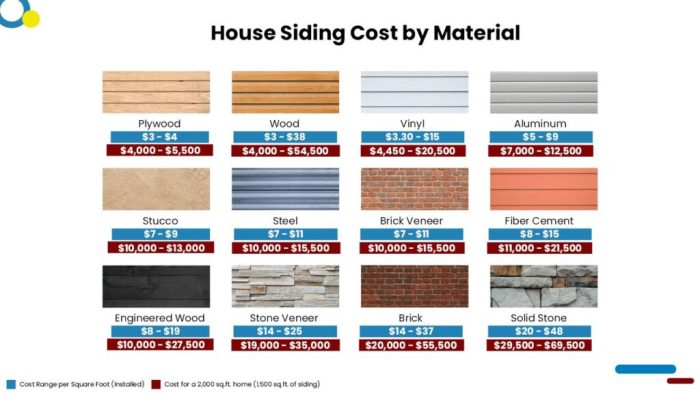
When considering the cost of vinyl siding replacement, it's essential to understand the factors that influence the overall price. This includes the square footage of your home, whether you choose to DIY the installation or hire a professional, regional cost variations, and how different siding styles can impact pricing.
Breakdown of Typical Costs Based on Square Footage
- For a small home (around 1,000 sq. ft.), the average cost can range from $4,000 to $7,000.
- For a medium-sized home (around 2,000 sq. ft.), the cost typically falls between $8,000 to $14,000.
- For a larger home (around 3,000 sq. ft. or more), the cost can go up to $15,000 or more.
DIY Installation vs. Professional Installation Costs
- DIY installation can save you money on labor costs, but it requires time, skill, and the right tools. The average cost for materials can range from $2 to $7 per square foot.
- Professional installation guarantees quality workmanship but comes at a higher price. Labor costs can add an additional $2 to $5 per square foot to the total cost.
Regional Variations in Vinyl Siding Replacement Costs
- Costs can vary based on the location of your home due to factors like local labor rates, material availability, and climate conditions.
- For example, urban areas may have higher labor costs compared to rural areas, leading to increased overall expenses for vinyl siding replacement.
Impact of Different Siding Styles on Pricing
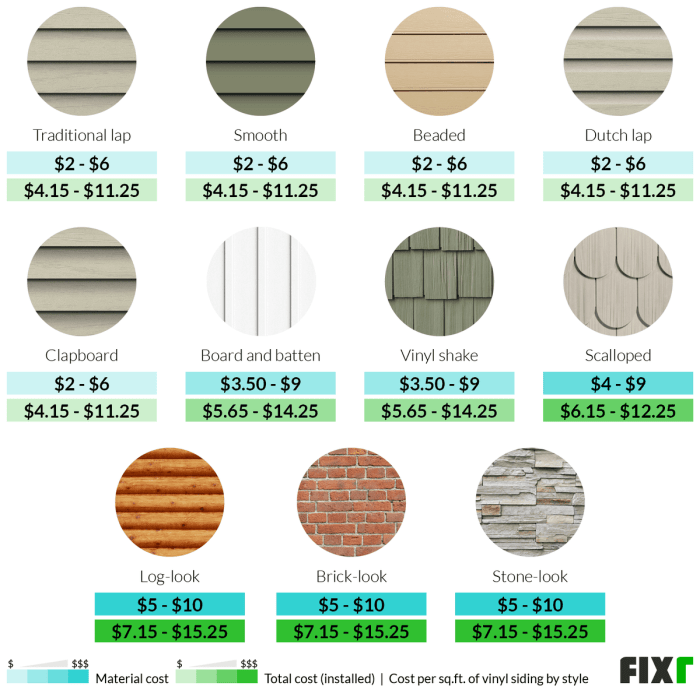
- Vinyl siding comes in various styles such as horizontal panels, vertical panels, shakes, and shingles, each with its own price point.
- More intricate styles like shakes and shingles tend to be more expensive compared to traditional horizontal panels.
Cost-Saving Tips for Vinyl Siding Replacement
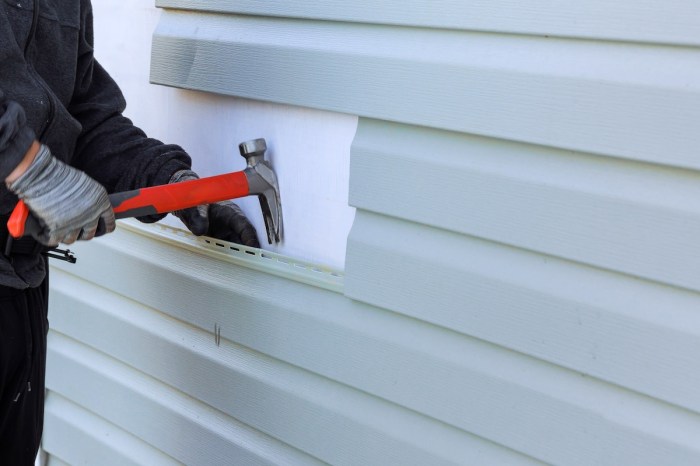
When it comes to replacing vinyl siding, there are several strategies you can employ to save money while still ensuring quality results. From negotiating with contractors to selecting cost-effective materials, these tips can help you stay within budget without compromising on the durability and aesthetics of your new siding.
Negotiating with Contractors
- Get multiple quotes from different contractors to compare prices and services offered.
- Ask for discounts or promotions that may be available, especially during off-peak seasons.
- Consider scheduling the replacement during slower times for contractors when they may offer lower rates.
Benefits of Bundling Services
- Bundle the vinyl siding replacement with other home improvement projects to save on overall costs.
- Contractors may offer discounts for combining multiple services, such as window replacement or roof repair, into one project.
- Efficiently coordinating multiple projects can also save time and reduce labor costs.
Choosing Cost-Effective Materials
- Opt for mid-range vinyl siding options that offer a balance between affordability and quality.
- Consider insulated vinyl siding to improve energy efficiency and potentially reduce long-term heating and cooling costs.
- Research different brands and materials to find the best value for your budget without compromising on durability.
Importance of Proper Maintenance
- Regularly clean and inspect your vinyl siding to prevent damage and extend its lifespan.
- Address any issues promptly to avoid the need for extensive repairs or premature replacement.
- Investing in routine maintenance can save you money in the long run by avoiding costly replacements due to neglect.
Return on Investment (ROI) of Vinyl Siding Replacement
Replacing vinyl siding can offer a significant return on investment for homeowners. Not only does it enhance the aesthetic appeal of the property, but it also provides energy efficiency benefits that can lead to long-term savings.
Increased Property Value
Replacing old or damaged siding with new vinyl siding can increase the overall value of a home. Potential buyers are often attracted to properties with updated exteriors, which can result in a higher resale value compared to homes with outdated siding.
Energy Efficiency Benefits
Vinyl siding is known for its insulation properties, helping to regulate indoor temperatures and reduce energy consumption. This energy efficiency can lead to lower heating and cooling costs over time, providing homeowners with savings on their utility bills.
Curb Appeal and Resale Value
The curb appeal of a home plays a crucial role in attracting potential buyers. By investing in quality vinyl siding, homeowners can improve the overall appearance of their property, making it more appealing to buyers and potentially increasing the resale value.
Variation in ROI based on Siding Options
The return on investment of vinyl siding replacement can vary depending on the quality and type of siding chosen. Higher quality materials may have a higher upfront cost but can result in greater long-term savings and increased property value. It's essential for homeowners to consider the durability and energy efficiency of different siding options to maximize their ROI.
Closure
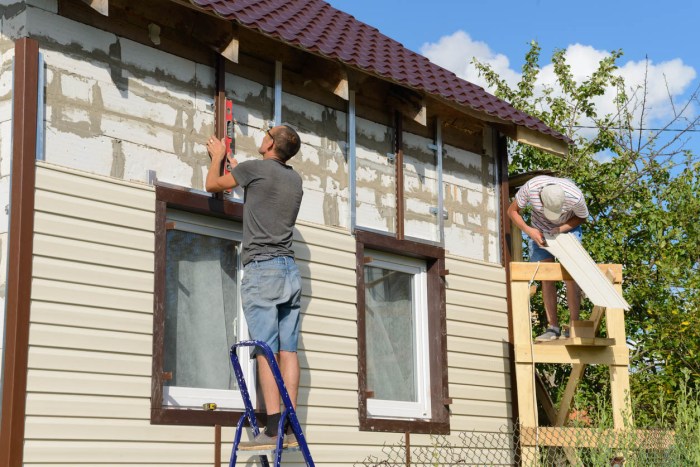
In conclusion, understanding the costs associated with vinyl siding replacement is crucial for homeowners looking to enhance their property value. Armed with this knowledge, you can make informed decisions for your next renovation project.
Questions Often Asked
How does the size of the house impact vinyl siding replacement cost?
The larger the house, the more materials needed, which can increase the overall cost.
What are some cost-saving tips for vinyl siding replacement?
Negotiating with contractors, bundling services, and choosing durable yet cost-effective materials can help reduce expenses.
How does vinyl siding replacement affect property value?
Replacing vinyl siding can boost curb appeal and increase the resale value of a home.