Embark on a journey into the world of vinyl siding patch repair, where we unravel the secrets to a successful patch job. From common reasons for repairs to expert tips on color matching, this guide has it all.
Step into the realm of vinyl siding patch repair and discover the tools, techniques, and tricks that will make your repair project a breeze.
Vinyl Siding Patch Repair
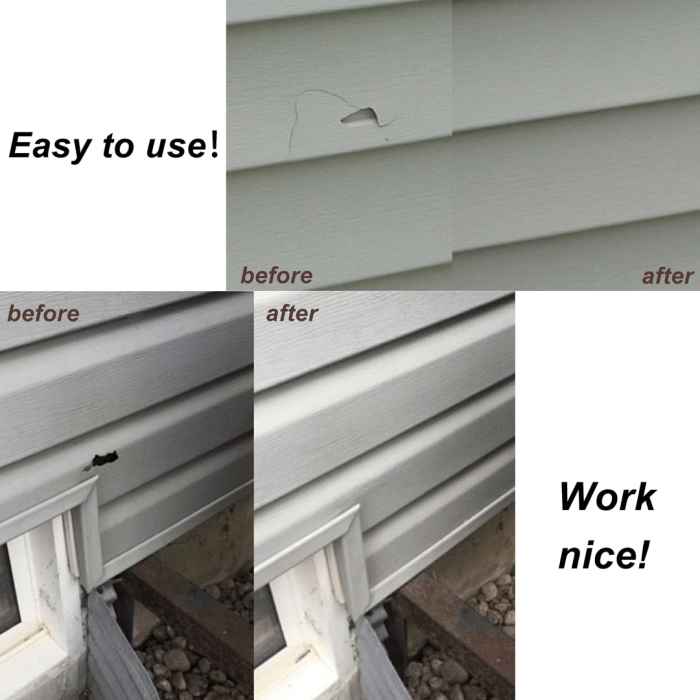
Vinyl siding patch repair is a common task for homeowners, as the siding can get damaged due to various reasons like impact from objects, extreme weather conditions, or age-related wear and tear. Instead of replacing the entire panel, patching a hole in the vinyl siding can be a cost-effective solution to restore the appearance and functionality of the exterior of your home.
Step-by-Step Guide to Patch a Hole in Vinyl Siding:
- Clean the area around the hole using a mild detergent and water to remove any dirt or debris.
- Measure the size of the hole and cut a patch from a spare piece of vinyl siding that is slightly larger than the hole.
- Insert the patch into the hole, making sure it fits snugly and aligns with the existing siding pattern.
- Secure the patch in place with roofing nails or screws, ensuring they are driven in flush with the surface.
- Use a color-matched caulk to seal the edges of the patch for added protection against moisture.
Tools and Materials Required for Vinyl Siding Patch Repair:
| Tools: | Materials: |
| - Utility knife | - Spare piece of vinyl siding |
| - Tape measure | - Roofing nails or screws |
| - Caulk gun | - Color-matched caulk |
Tips for Matching Color and Texture of Existing Vinyl Siding:
- Take a small sample of the existing siding to a home improvement store to find a color match for the patch.
- If the texture of the siding is no longer available, try using a similar textured vinyl siding or consider painting the patch to blend in with the rest.
- Apply the patch in a less noticeable area of the house, like the back or side, to ensure a seamless match before tackling more prominent areas.
Types of Vinyl Siding Patches
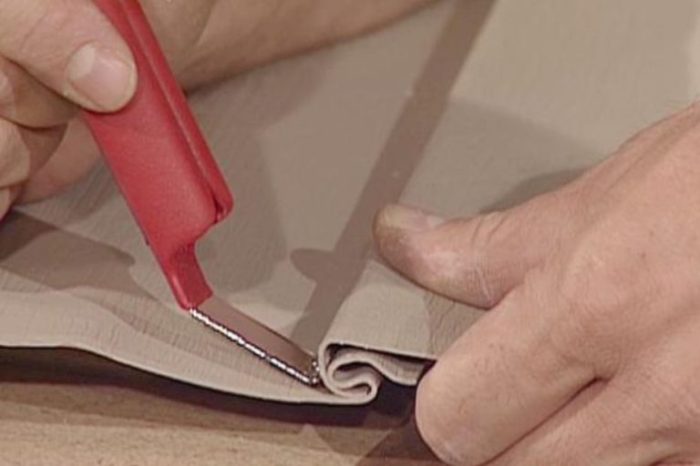
When it comes to repairing vinyl siding, there are several types of patches that can be used depending on the extent of the damage and the type of siding involved. Understanding the different options available can help you make an informed decision on how to best address the issue.
Adhesive Patches vs. Heat-Welded Patches
- Adhesive patches: These patches are typically made of vinyl material and come with a strong adhesive backing. They are easy to apply and can provide a quick fix for small cracks or holes in the siding. However, adhesive patches may not be as durable or long-lasting as heat-welded patches.
- Heat-welded patches: These patches involve using a heat gun to soften the vinyl material and then pressing the patch onto the damaged area. Heat-welded patches create a more seamless repair and are often more durable than adhesive patches. They are ideal for larger or more significant damage to the siding.
Using a Vinyl Siding Repair Kit
Repair kits are available for small patches on vinyl siding. These kits typically include adhesive patches, a heat gun, and other necessary tools for repairing minor damage. The process involves cleaning the damaged area, applying the patch according to the kit instructions, and using the heat gun to ensure a secure bond.
These kits are convenient for DIY repairs and can help maintain the appearance and integrity of the siding.
Replacing vs. Patching Damaged Sections
In some cases, it may be more practical to replace a damaged section of vinyl siding rather than patching it. If the damage is extensive, such as large cracks, significant warping, or widespread wear and tear, replacing the entire section may provide a more permanent solution.
Additionally, if the siding is nearing the end of its lifespan or showing signs of deterioration, a full replacement may be more cost-effective in the long run.
Preventing Future Damage
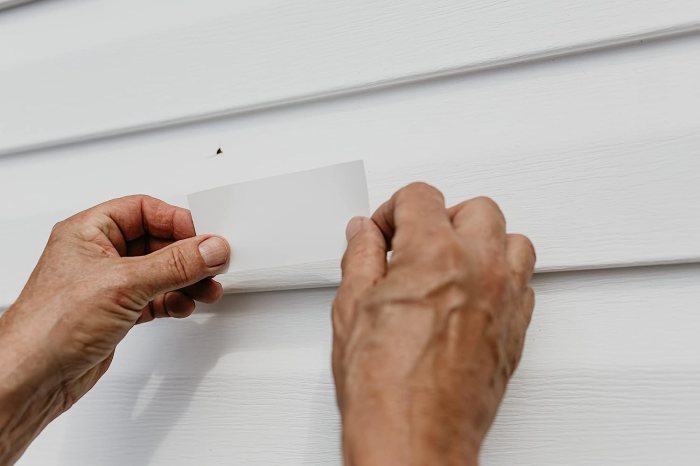
Regular maintenance and inspections are crucial in preventing the need for frequent vinyl siding patch repairs. By taking proactive measures, you can extend the lifespan of your siding and avoid costly repairs in the future.
Maintenance Tips
- Regularly clean your vinyl siding with a mild detergent and soft brush to remove dirt and debris that can cause damage over time.
- Inspect your siding for any signs of damage, such as cracks, holes, or warping, and address them promptly to prevent further issues.
- Trim trees and bushes near your home to prevent branches from scratching or damaging the siding during windy conditions.
Importance of Regular Inspections
Regular inspections can help you catch issues early before they escalate into larger problems. By identifying and addressing small issues promptly, you can prevent the need for extensive repairs in the future.
Impact of Weather Conditions
- Extreme temperatures, such as freezing cold or scorching heat, can affect the durability of vinyl siding patches. Consider weather-resistant materials for patch repairs in areas prone to harsh weather conditions.
- High winds and storms can cause debris to impact the siding, leading to cracks or damage. Reinforce weak areas with additional support to prevent future damage.
Reinforcing Weak Areas
- Use caulking or sealant to reinforce seams and edges that may be susceptible to water infiltration and damage.
- Consider installing protective barriers, such as splash guards or gutter extensions, to divert water away from the siding and prevent water damage.
- Regularly inspect and maintain the foundation of your home to prevent water seepage that can damage the siding from the inside out.
Professional Assistance
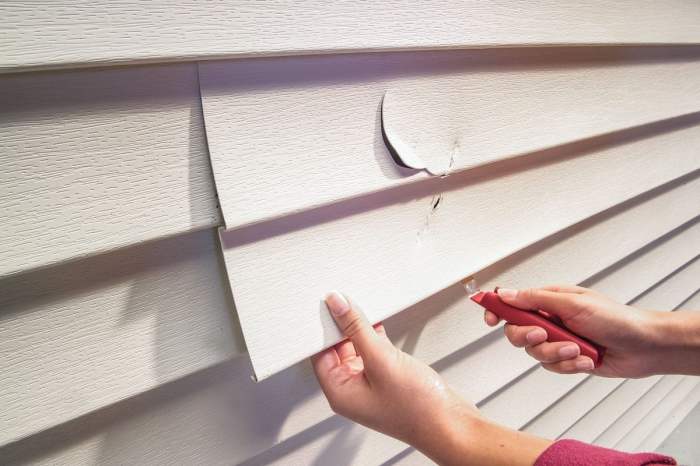
When it comes to vinyl siding patch repairs, there are certain scenarios where it is highly recommended to seek professional help. While minor patching jobs can often be done by homeowners, more complex repairs may require the expertise of a professional.
Advantages of Hiring a Professional
- Expertise: Professionals have the knowledge and experience to accurately assess the damage and perform the necessary repairs efficiently.
- Quality Workmanship: Hiring a professional ensures that the repair work is done correctly, preventing future issues.
- Time-Saving: Professionals can complete the repair work in a timely manner, saving you time and effort.
- Warranty: Many professional contractors offer warranties on their work, providing you with peace of mind.
Cost Considerations
- DIY vs Professional: While DIY patching may seem cost-effective initially, hiring a professional can actually save you money in the long run by ensuring the job is done right the first time.
- Materials and Tools: Professionals often have access to high-quality materials and tools, which may not be available to homeowners attempting a DIY repair.
- Hidden Costs: DIY repairs can sometimes lead to additional expenses if mistakes are made, whereas professionals can avoid costly errors.
Finding a Reputable Contractor
- Ask for Recommendations: Seek referrals from friends, family, or neighbors who have had similar repair work done.
- Check Credentials: Ensure the contractor is licensed, insured, and has a good reputation in the industry.
- Get Multiple Quotes: Compare quotes from different contractors to ensure you are getting a fair price for the repair work.
- Read Reviews: Look for online reviews or testimonials to gauge the contractor's past performance and customer satisfaction.
Conclusion
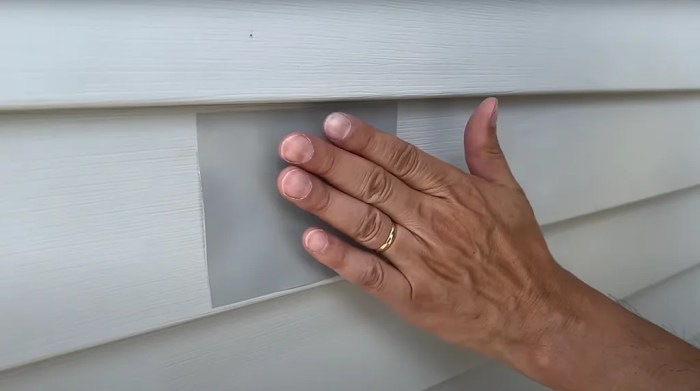
As we conclude our exploration of vinyl siding patch repair, remember that with the right knowledge and tools, you can conquer any patch job with confidence. Let this guide be your companion in keeping your vinyl siding in top shape.
Commonly Asked Questions
How do I match the color of the existing vinyl siding when making a patch?
To match the color of your existing vinyl siding, consider taking a small sample of the siding to a local home improvement store for color matching.
When is it best to replace a damaged section of vinyl siding instead of patching it?
If the damage is extensive or affects the structural integrity of the siding, it's best to replace the damaged section rather than patching it.
What are some maintenance tips to prevent frequent vinyl siding patch repairs?
Regularly clean your vinyl siding, inspect for damage, and promptly address any issues to prevent the need for frequent patch repairs.
Why is it important to seek professional help for complex patching jobs?
Professional help ensures that the patch job is done correctly, preventing further damage and ensuring the longevity of your vinyl siding.