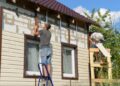
Commercial siding contractors play a crucial role in the construction industry, working on various projects that require their expertise and precision. From innovative materials to meticulous installation processes, this industry is filled with nuances and challenges that make it both fascinating and rewarding.
Let's delve into the realm of commercial siding contractors to uncover the secrets behind their craft.
Overview of Commercial Siding Contractors
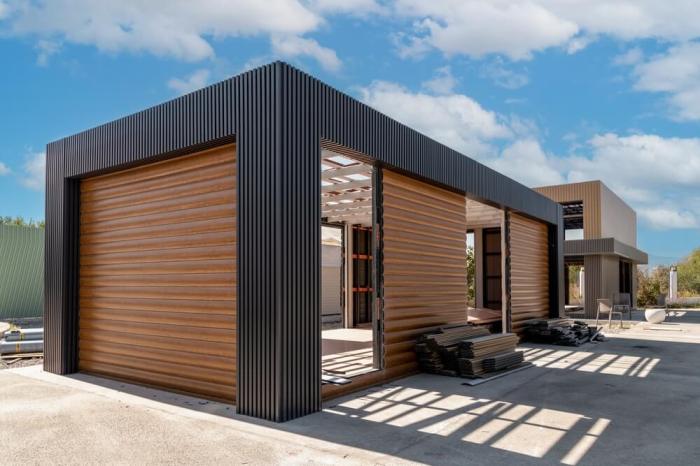
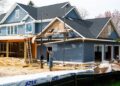
Commercial siding contractors play a crucial role in the construction industry by specializing in the installation, repair, and maintenance of siding on commercial buildings. These professionals have the expertise and experience to ensure that the exterior of a commercial property is not only aesthetically pleasing but also durable and weather-resistant.
Projects Requiring Commercial Siding Contractors
- Office Buildings: Commercial siding contractors are often hired to work on office buildings to improve their appearance and protect them from the elements.
- Retail Stores: Retail establishments rely on commercial siding contractors to create attractive facades that enhance their brand image and draw in customers.
- Industrial Facilities: Commercial siding contractors are essential for industrial buildings to provide insulation and protection against harsh conditions.
Importance of Hiring Experienced Professionals
Commercial siding projects require precision and expertise to ensure that the siding is installed correctly and will withstand the test of time. Hiring experienced professionals is crucial to avoid costly mistakes and ensure that the project is completed efficiently and to the highest standards.
Types of Commercial Siding Materials
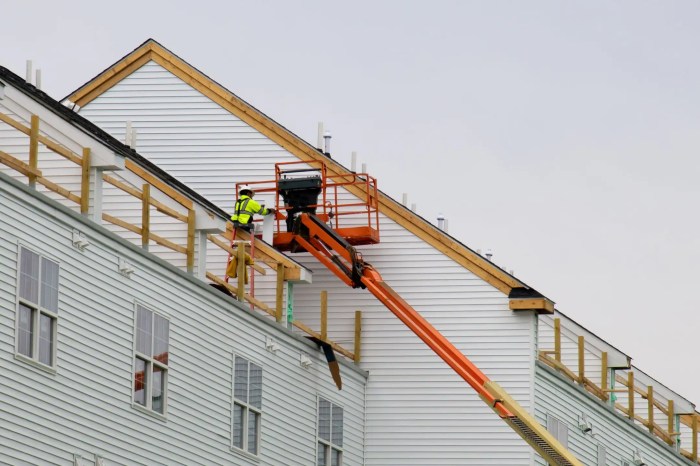
When it comes to commercial siding, there are various materials that contractors commonly use. Each type of material has its own set of advantages and disadvantages in terms of durability, cost, and aesthetics. Let's explore some of the most popular siding options available.
Wood Siding
Wood siding is a traditional choice that provides a classic and natural look to commercial buildings. It is known for its beauty and versatility, but it also requires regular maintenance to prevent rot, pests, and weather damage.
Vinyl Siding
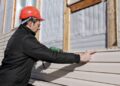
Vinyl siding is a cost-effective option that is easy to install and comes in a wide range of colors and styles. It is durable, low maintenance, and resistant to rot and insects. However, it may not have the same aesthetic appeal as wood or other materials.
Metal Siding
Metal siding, such as aluminum or steel, is highly durable and can withstand harsh weather conditions. It is fire-resistant, low maintenance, and can provide a modern and sleek look to commercial buildings. However, metal siding can be more expensive than other options.
Fiber Cement Siding
Fiber cement siding is a popular choice for commercial buildings due to its durability, fire resistance, and low maintenance requirements. It can mimic the look of wood, brick, or stone, offering a variety of design options. However, it can be heavier and more challenging to install than other materials.
Installation Process
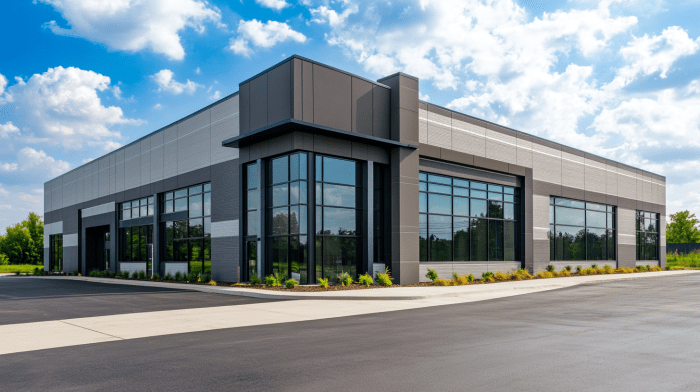
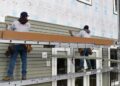
When it comes to installing commercial siding, contractors follow a specific process to ensure a successful and long-lasting result. Let's take a look at the key steps involved in the installation process and why proper insulation and weatherproofing are crucial.
Site Preparation
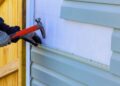
Before installing the siding, contractors must prepare the site to ensure a smooth installation process. This includes removing any existing siding, inspecting the underlying structure for damage or rot, and making any necessary repairs. Proper site preparation is essential to ensure the new siding adheres correctly and lasts for years to come.
- Inspect and repair the underlying structure: Contractors will thoroughly inspect the building's structure to identify any issues that could affect the siding installation. This may involve replacing damaged or rotted wood, reinforcing weak areas, or addressing any moisture issues.
- Clean the work area: To ensure a clean and safe work environment, contractors will clear the site of debris, vegetation, and any obstacles that could impede the installation process.
- Apply weather-resistant barriers: Installing weather-resistant barriers, such as house wrap or building paper, is crucial to protect the building from water infiltration and moisture damage. These barriers also help improve energy efficiency by preventing air leaks.
Insulation and Weatherproofing
Proper insulation and weatherproofing are essential during the siding installation process to enhance the building's energy efficiency, comfort, and durability. Contractors must pay close attention to these aspects to ensure the building is well-protected from the elements.
- Install insulation: Adding insulation between the siding and the building's structure helps regulate indoor temperatures, reduce energy costs, and improve overall comfort. Insulation also acts as a barrier against moisture and air infiltration.
- Seal joints and corners: Properly sealing joints, corners, and seams prevents water penetration and air leaks, ensuring the building remains weather-tight and energy-efficient. Contractors use caulk, sealants, and flashing to create a watertight seal around windows, doors, and other openings.
- Choose weather-resistant siding materials: Opting for durable and weather-resistant siding materials, such as vinyl, fiber cement, or metal, can help protect the building from harsh weather conditions and minimize maintenance requirements over time.
Maintenance and Repairs
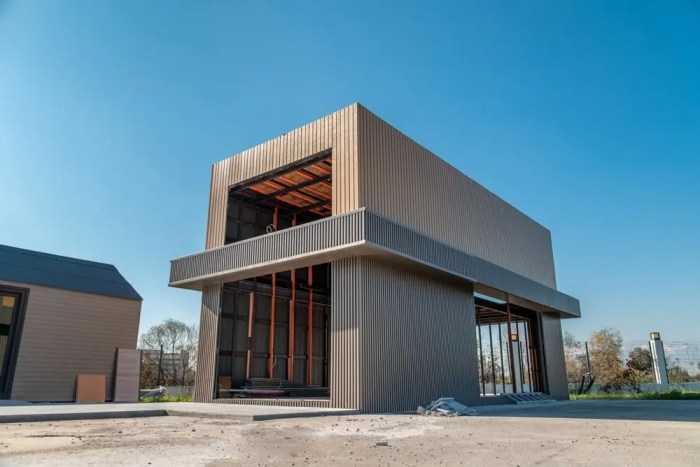
Proper maintenance is crucial in ensuring the longevity and aesthetic appeal of commercial siding. By following some simple tips, you can keep your siding in top condition for years to come. Regular inspections and timely repairs are key to preventing costly damages.
Tips for Maintaining Commercial Siding
Regularly clean the siding with a mild detergent and water to remove dirt and grime. Inspect for any signs of damage such as cracks or warping, and address them promptly. Trim any overhanging branches that could potentially damage the siding.
Common Issues Requiring Repairs
- Weather Damage: Extreme weather conditions like storms or heavy winds can cause damage to siding, leading to cracks or loose panels.
- Mold and Mildew: Moisture buildup can result in the growth of mold and mildew on the siding, which not only affects the aesthetics but also the structural integrity.
- Pest Infestation: Insects or rodents can nest in the siding, causing damage and potentially compromising the building's insulation.
Importance of Regular Inspections
Regular inspections help in identifying issues early on, allowing for timely repairs and preventing more extensive damage. By addressing small problems promptly, you can avoid costly repairs in the future and prolong the lifespan of your commercial siding.
End of Discussion
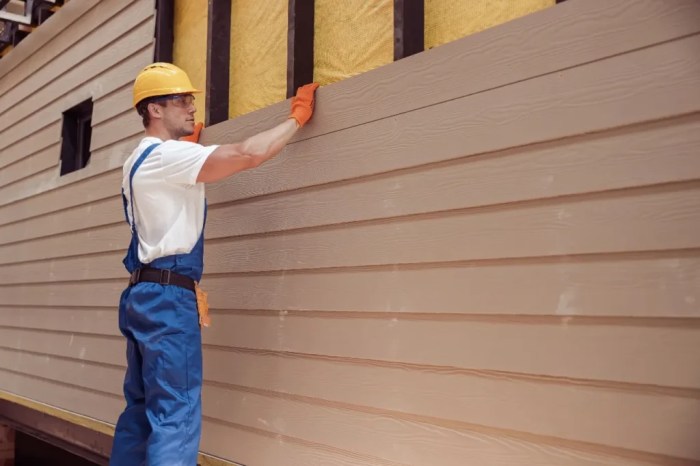
As we conclude our journey through the realm of commercial siding contractors, we have gained valuable insights into their essential role, the diverse materials they work with, and the meticulous processes they follow. From maintenance tips to the importance of regular inspections, the world of commercial siding contractors is one that demands attention to detail and a commitment to excellence.
Essential FAQs
What types of projects typically require the expertise of commercial siding contractors?
Commercial siding contractors are usually involved in projects such as office buildings, shopping malls, and industrial facilities that require durable and aesthetically pleasing siding.
How important is proper insulation during the installation process?
Proper insulation is crucial as it helps in maintaining energy efficiency and protecting the building from moisture and temperature fluctuations.
What are some common maintenance issues that may require repairs by commercial siding contractors?
Common maintenance issues include cracks, warping, and fading of the siding material, which can affect both the aesthetics and functionality of the building.
Why is it essential to hire experienced professionals for commercial siding projects?
Experienced professionals ensure that the siding is installed correctly, minimizing the risk of future repairs and ensuring the longevity of the structure.